Choosing to undergo a cosmetic procedure isn’t just about the final look; it’s about the peace of mind that comes from knowing you’re in safe, capable hands. In Australia, the industry has undergone significant shifts recently to ensure patient safety remains the top priority. When you walk into reputable cosmetic clinics, there’s a complex web of regulations and safety protocols working quietly in the background to protect you.
The New Gold Standard of Regulation
Australia’s regulatory landscape for aesthetic medicine is among the strictest in the world. As of late 2023 and into 2024, the Australian Health Practitioner Regulation Agency (AHPRA) and the Medical Board of Australia introduced rigorous new guidelines.
These aren’t just suggestions; they’re mandatory rules that every practitioner must follow.
One of the biggest changes involves the “cooling-off” period. For major procedures, you’ve now got a mandatory seven days to think things over after your initial consultation. This ensures no one feels pressured into a snap decision. Furthermore, practitioners must now provide a clear breakdown of costs and risks without the “glossy” marketing that used to dominate social media. It’s all about transparency and making sure you’ve got all the facts before any needles or scalpels are involved.
Why Medical Qualifications Matter
In Australia, it’s not enough to just have a steady hand. The person performing your procedure needs the right credentials. Professional cosmetic clinics are staffed by Registered Nurses, General Practitioners or Surgeons who are registered with AHPRA. This registration means they’re held to a professional code of conduct and must complete ongoing education to keep their skills sharp.
When you’re looking at a clinic, you’ll notice a shift in how they talk about their staff. You won’t see vague titles like “aesthetician” for medical tasks anymore. The regulations now require clear identification of a practitioner’s specific medical registration. This helps you understand exactly who’s treating you and what their level of expertise really is.
The Consultation: More Than Just a Chat
Gone are the days of the five-minute “drive-thru” consultation. Today, a thorough pre-treatment assessment is a legal requirement. During this session, your practitioner should dive deep into your medical history, psychological readiness and your expectations.
Key elements of a safe consultation include:
- A physical assessment: Checking skin integrity and underlying anatomy.
- Psychological screening: Identifying conditions like Body Dysmorphic Disorder (BDD) to ensure the procedure is appropriate for your wellbeing.
- Informed consent: A detailed discussion of potential side effects, from common bruising to rare complications.
- Referrals: For surgical procedures, a referral from a GP who isn’t affiliated with the clinic is often required to provide an unbiased medical opinion.
Behind the Scenes: Sterilisation & Storage
While the waiting room might look like a high-end day spa, the treatment rooms in professional cosmetic clinics should function like a hospital. Infection control is a massive part of the daily routine that patients rarely see.
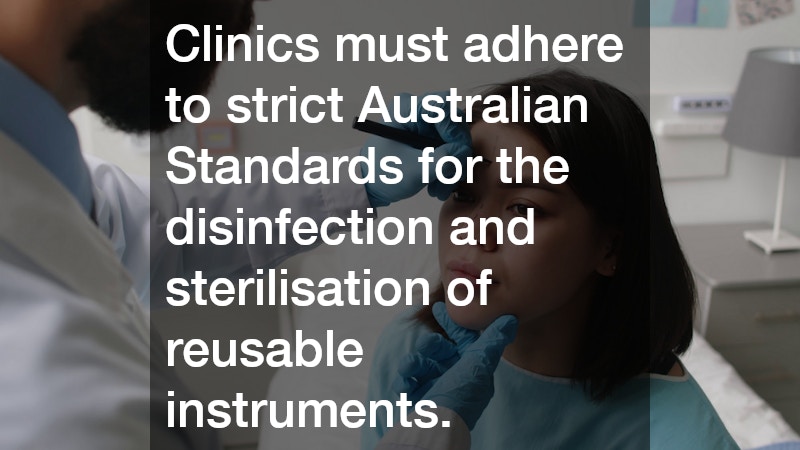
Clinics must adhere to strict Australian Standards for the disinfection and sterilisation of reusable instruments. Most modern clinics use single-use, TGA-approved disposables to eliminate the risk of cross-contamination. Additionally, the products themselves—like dermal fillers or anti-wrinkle injections—are classified as Schedule 4 (prescription-only) medicines. This means they’ve got to be stored in medical-grade refrigerators at specific temperatures and can only be prescribed after a face-to-face (or video) consultation with a doctor or nurse prescriber.
Identifying a Safe Environment
So, how can you tell if a clinic’s doing the right thing? There are a few “green flags” that indicate a commitment to the highest safety standards. High-quality cosmetic clinics won’t use “limited time only” discounts or “buy one get one free” offers on medical treatments, as these are now prohibited by AHPRA to prevent the trivialisation of medical procedures.
Look for the following indicators of a safe clinic:
- They provide a detailed aftercare plan and a 24/7 emergency contact number.
- The facility is clean, well-lit and professional, with visible clinical waste bins.
- The staff encourage you to ask questions and don’t rush your decision.
- They’re upfront about the brands of products they use and their TGA registration status.
The Role of the TGA
The Therapeutic Goods Administration (TGA) is the watchdog for everything used in Aussie clinics. They’re responsible for ensuring that every device, filler and medication is safe for use on the Australian public. Recent crackdowns have targeted clinics advertising specific brand names of prescription medicines on social media. While it might seem like a bit of a buzzkill for your Instagram feed, it’s actually a win for safety. It ensures that medical decisions are made based on clinical need rather than brand hype.
By understanding these “behind the scenes” elements, you’re better equipped to choose a provider that values your health as much as your results. Australia’s cosmetic industry is more regulated than ever, and that’s a very good thing for everyone involved.